Back-to-School Sensory Supports That Actually Fit Into Real Life
Practical ways to support your child's nervous system, build confidence, and make the school year feel a little easier for everyone. Because confidence at school starts with feeling regulated.
Key Takeaways:
Sensory needs don't disappear at the school door — kids often mask sensory overwhelm all day, then release it at home.
There are five common sensory-seeking patterns (vestibular, proprioceptive, tactile, visual, auditory) plus a sensory-avoiding pattern, and each responds to different supports.
Simple, low-cost sensory tools already found around most homes are often more effective than specialty products.
A 5-15 minute sensory routine before and after school can meaningfully improve regulation, behavior, and homework transitions.
Take the free 2-Minute Sensory Patterns Quiz to identify your child's sensory profile before diving into strategies.
Back-to-school season can bring up new sensory challenges for kids, from noisy cafeterias to scratchy uniforms to a full day of holding it together. This guide breaks down practical, low-lift sensory supports organized by sensory type: movement (vestibular), body awareness (proprioceptive), touch (tactile), sight (visual), and sound (auditory) seekers, along with children who tend to feel overwhelmed by sensory input.
Take our FREE two minute sensory patterns quiz! Find out what a child’s behavior is telling you in then jump to the section written for them.
Every August, I find myself doing the same thing every other parent is doing: buying a backpack, picking out the lunch box (dreading making school lunches!), seeing what clothing still fits, and wondering how summer went by so fast.
But if you're parenting a child with sensory differences, there's another kind of back-to-school list running through your mind. You're wondering if they'll get enough movement throughout the day, if the cafeteria will be too overwhelming, if they'll make it through the school day feeling successful, if their teachers will recognize their behavior as a sensory need, and of course, what supports to have on hand for them.
As a pediatric therapist and a mom, I've realized that what gives my family the most success getting back into the school year is knowing we've created simple, predictable supports at home that help my children walk out the front door feeling a little more regulated, a little more confident, and a little more ready to learn.
I have the unique experience of really understanding my children's sensory systems, knowing what overwhelms them and what helps them calm, and this has completely changed the way I parent. At our house, I have intentional sensory supports and opportunities woven throughout our household.
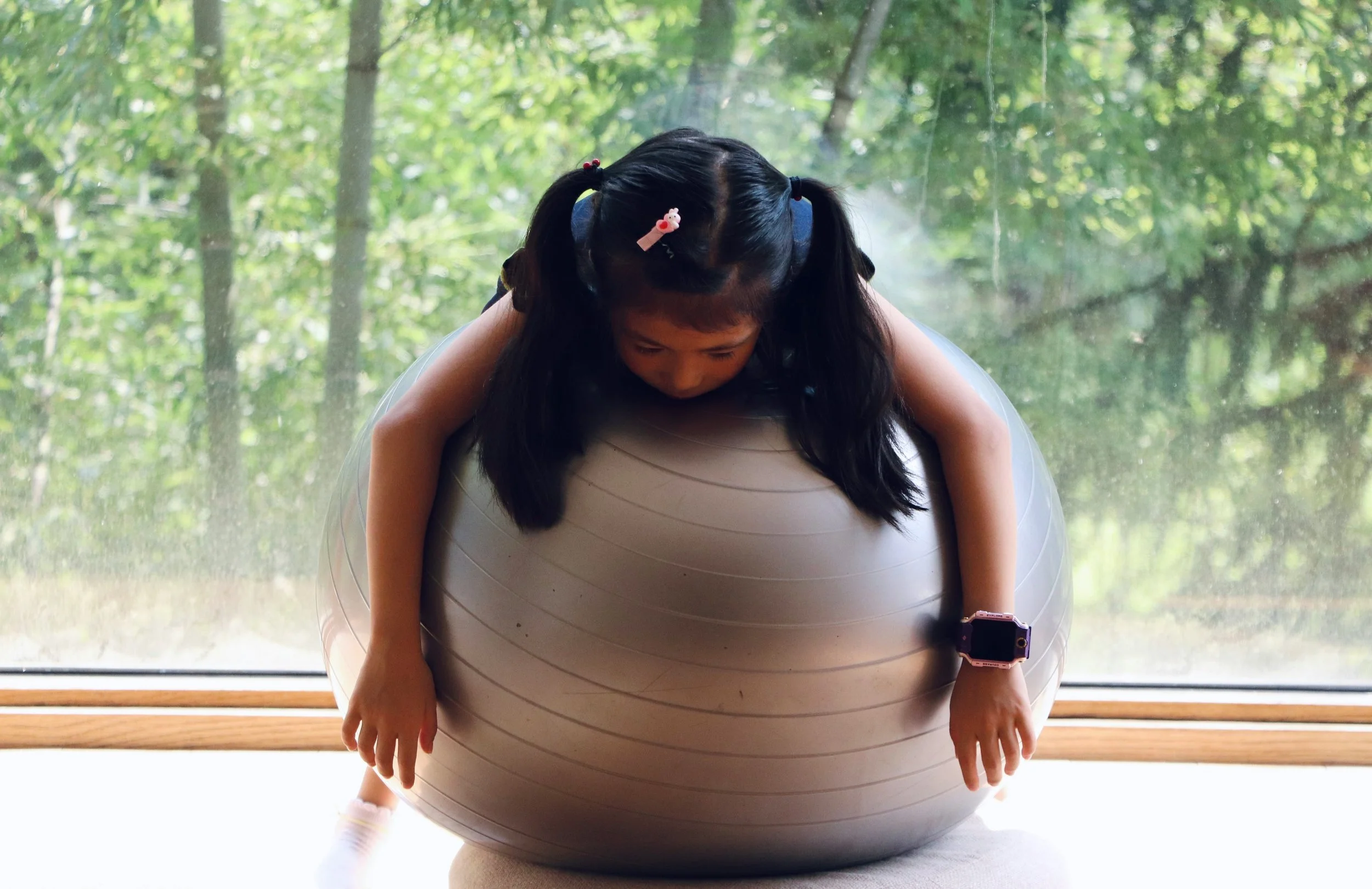
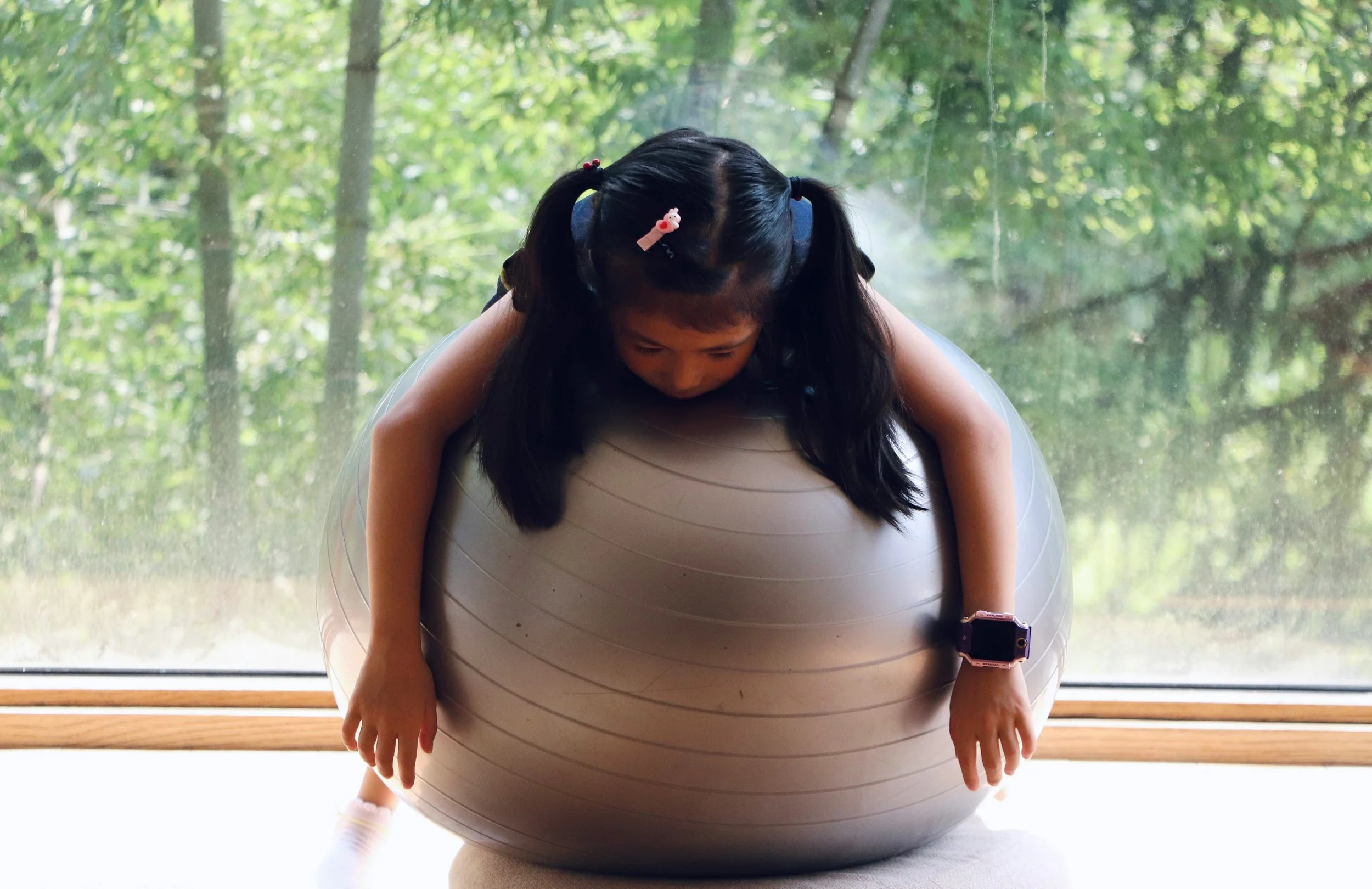
For example, the yoga ball rarely gets put away because someone is always bouncing on it, especially when they are watching tv. We keep resistance bands looped around the bottom of our chairs, there are rhythm sticks and pop tubes in random baskets in most rooms, oil and water timers near the toothbrushes, visual schedules galore, and even a back scratcher beside the couch.
It’s those little things that help our home run more smoothly. None of these are fancy, and most of them were even purchased as "sensory tools." They're just everyday items we've collected over the years because…. they work.
Knowing those supports are already built into our day reminds me that even though I'm not sitting beside my child in the classroom, I'm still supporting their learning, regulation, self awareness, and growing self advocacy and independence every single day.
If you're not sure which sensory supports will be the most helpful for your child, start with our FREE 2-Minute Sensory Patterns Quiz. It will help explain why your child gravitates toward certain activities, avoids others, or responds differently to everyday situations. Then come back here and jump to the section that best describes your child.
Every child is different, so take what fits your family, leave what doesn't, and remember that sometimes the smallest changes make the biggest difference.
My Child Never Seems to Stop Moving (Vestibular Seeker)
If your quiz results suggest your child is a Vestibular Seeker, you've probably noticed that movement is simply part of who they are. They're bouncing while brushing their teeth, asking to go outside before breakfast, or somehow always ending up upside down on the couch.
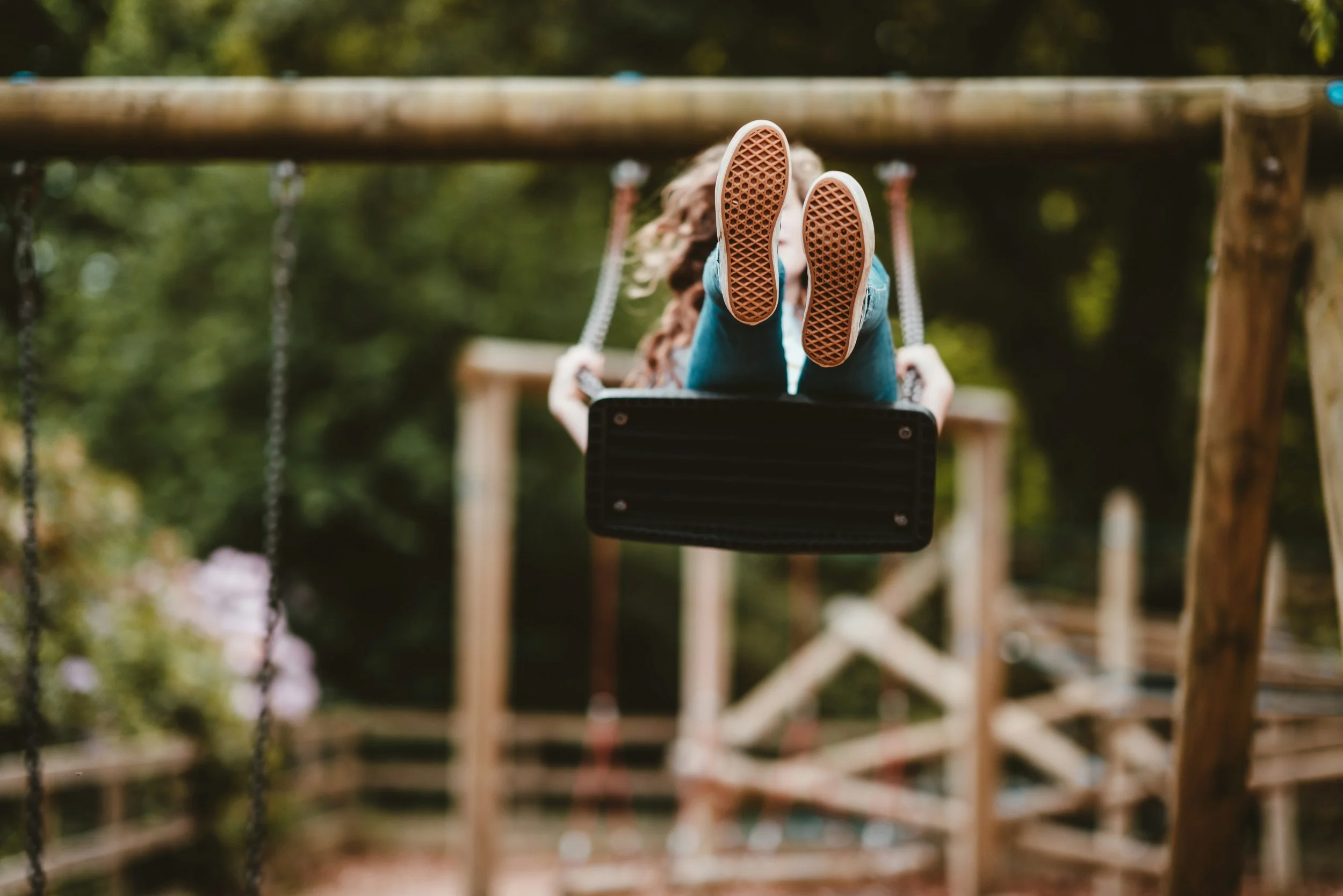
Knowing that movement helps my child feel regulated and ready to learn, I try to build it into the parts of the day I can control, especially before school and when they get home.
Before School (5–10 minutes): Choose one or two activities that fit naturally into your morning.
Ride a scooter or bike
Swing
Bounce on a yoga ball
Dance to one favorite song
Race to the mailbox before getting in the car
Things You'll Find Around My House
Yoga ball
Scooter or bike
Backyard swing
Balance board
A little extra tolerance for upside-down kids on my couches 😆
After School (10–15 minutes): Before homework, we almost always let movement come first.
Bike ride
Playground
Swing
Trampoline
Family walk
I've found that even ten minutes of movement helps my child reset and makes the rest of the evening feel smoother. When we structure movement throughout the day, we're helping our kids learn to recognize what their body needs and building a healthy habit that can follow them into adulthood.
My Child Is Always Climbing, Crashing, and Pushing (Proprioceptive Seeker)
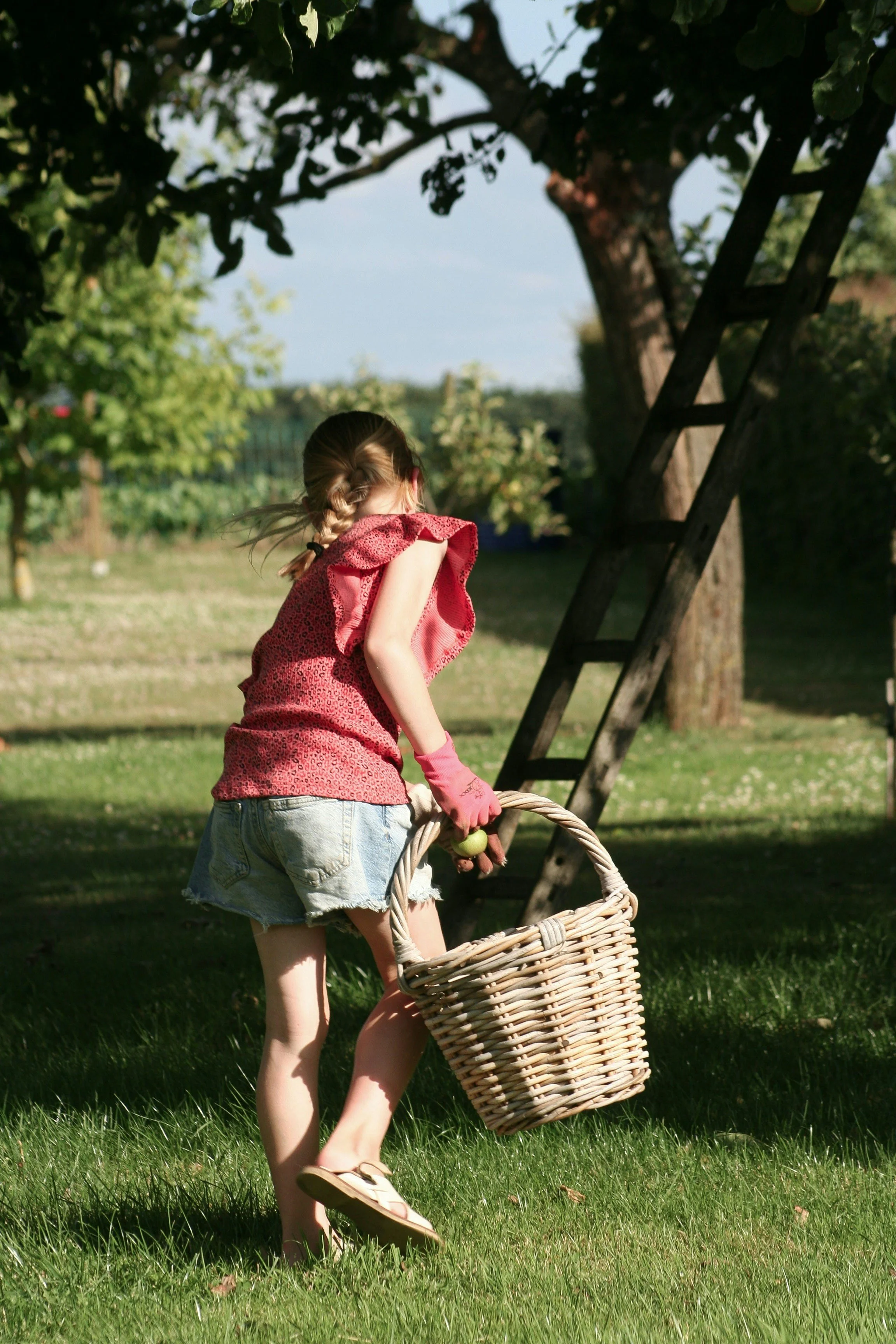
If your quiz results suggest your child is a Proprioceptive Seeker, you've probably noticed they love using their muscles. Maybe they play a little harder than everyone else, seem to use way too much force for simple tasks, constantly lean or push their body against you, or are happiest when they're climbing, wrestling, jumping, and using every muscle they've got.
These children often seek heavy work because it helps their bodies feel organized, calm, and ready to learn.
Before School (5–10 minutes): Heavy work fits naturally into everyday routines.
Carry groceries in from the car
Push the laundry basket across the room
Carry their own backpack
Do 10 wall push-ups before heading out the door
Help walk the dog
Things You'll Find Around My House:
Resistance bands
Laundry basket for pushing and pulling
Grocery bags for "heavy work"
Couch cushions for forts and safe crashing
Pull up bar
After School (10–15 minutes): Sometimes the best reset is giving those busy muscles a job to do before expecting them to sit down.
Build an obstacle course
Climb at the playground
Help carry groceries inside
Wheelbarrow walks
Help in the garden
Meeting this need first usually makes homework, dinner, and the rest of the evening feel much smoother. Learning that using our muscles can help us reset is something our kids can carry with them long after childhood.
My Child Has to Touch Everything (Tactile Seeker)
If your quiz results suggest your child is a Tactile Seeker, you've probably heard yourself say, "Please stop touching everything!" more than once. These are the kids who have to touch EVERYTHING. Their hands are running along the shelves at the store, feeling every fabric they pass, picking things up, squeezing things, and exploring just about anything within reach. Rather than spending the day saying, “Don’t touch that,” I try to give those busy hands plenty of appropriate ways to explore, squeeze, dig, and create, so there are lots of times throughout the day when the answer can actually be, “Yep, go for it.”

Before School (5–10 minutes): Wake up those busy hands before school.
Help stir breakfast
Roll Play-Doh while eating breakfast
Water flowers outside
Dig in the garden for a few minutes
Wash toys with a sponge
Things You'll Find Around My House
Back scratcher
Play-Doh
Dry rice or beans for a sensory bin
Silicone kitchen scrubber
Gardening tools
After School (10–15 minutes): After a day of keeping their hands to themselves, I love giving kids permission to get a little messy.
Water play
Finger painting
Helping cook dinner
Digging in the dirt
Homemade sensory bins
Sometimes five or ten minutes of sensory exploration is all it takes to help their nervous system settle before moving on with the evening. When we give children safe opportunities to explore with their hands, they're often less likely to seek that input in less helpful ways.
My Child Notices Everything (Visual Seeker)
If your quiz results suggest your child is a Visual Seeker, you've probably noticed they spot details everyone else misses. They love looking at books, lining things up, watching people, or creating beautiful drawings. Visual seekers are drawn to things that give their eyes something interesting to follow, watch, or figure out. I like giving that curiosity somewhere to go, whether it's watching a lava lamp, building with Magna-Tiles, looking for birds outside, or getting completely absorbed in an I-Spy book.
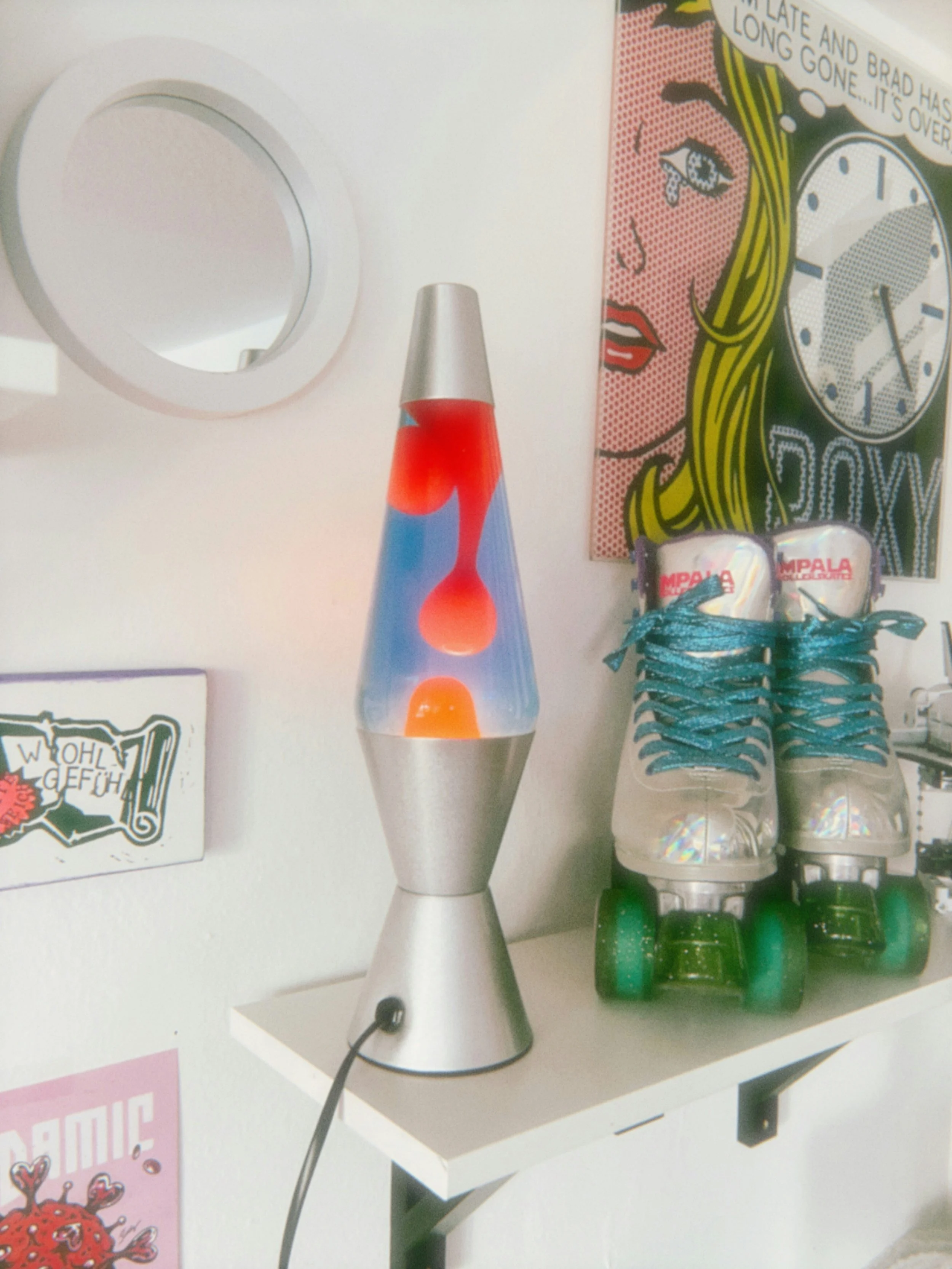
Before School (5–10 minutes): Help them start the day knowing what to expect.
Review a simple visual schedule together.
Read a favorite picture book
Draw the day's plan on a dry erase board
Watch birds or clouds outside
Color while waiting to leave
Things You'll Find Around My House
Visual schedule
Dry erase board
Sticky notes
Flashlight
Bird feeder outside the window
After School (10–15 minutes): Some children recharge by slowing down and simply looking at the world around them.
Drawing
Puzzles
Watching birds or fish
LEGO or Magnatiles
Quiet coloring time
The more opportunities we give visual seekers to intentionally fill that visual need, the less their nervous system has to keep searching for it throughout the day.
My Child Is Always Humming, Talking, Singing, or Making Noise (Auditory Seeker)
If your quiz results suggest your child is an Auditory Seeker, you probably don't need me to tell you that they like sound. They're humming, narrating, tapping on things, singing the same line over and over, or somehow finding a way to add a sound effect to just about everything they do. Rather than spending the day asking for less noise, I try to give my auditory seeker plenty of appropriate opportunities to make it. Music, rhythm, singing, and experimenting with sound can help meet that auditory need, preferably with some predictable sounds that my sensory system can tolerate too... because there are only so many random fart noises one parent can take in a day.
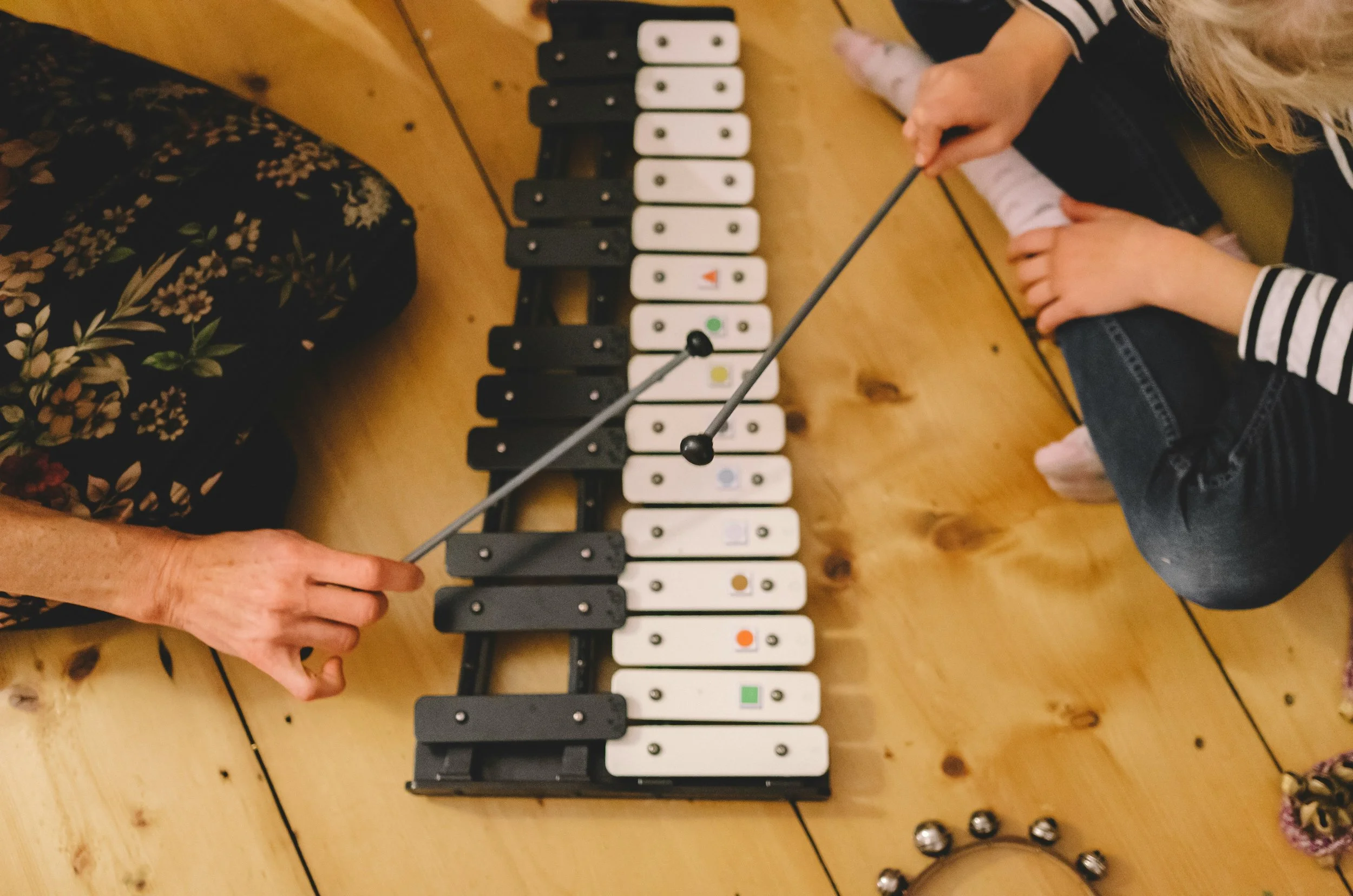
Before School (5–10 minutes): Start the day with a little rhythm.
Dance to one favorite song
Listen to upbeat music in the car
Clap or march to a beat
Sing your morning routine together
Listen to nature sounds outside
Things You'll Find Around My House:
Bluetooth speaker
Rhythm sticks
Wooden spoons
Egg shakers
Nature playlists or calming instrumental music
After School (10–15 minutes): Sometimes making a little noise is exactly what helps my child unwind.
Dance party
Kitchen karaoke
Drumming on a yoga ball
Music while making dinner
Listening to an audiobook outside
The goal isn't a quieter kid. It's giving their auditory system enough of the right kind of sound that they don't have to spend all day finding their own... because we all know where that leads.

My Child Is Sensitive to the World Around Them (Sensory Avoider)
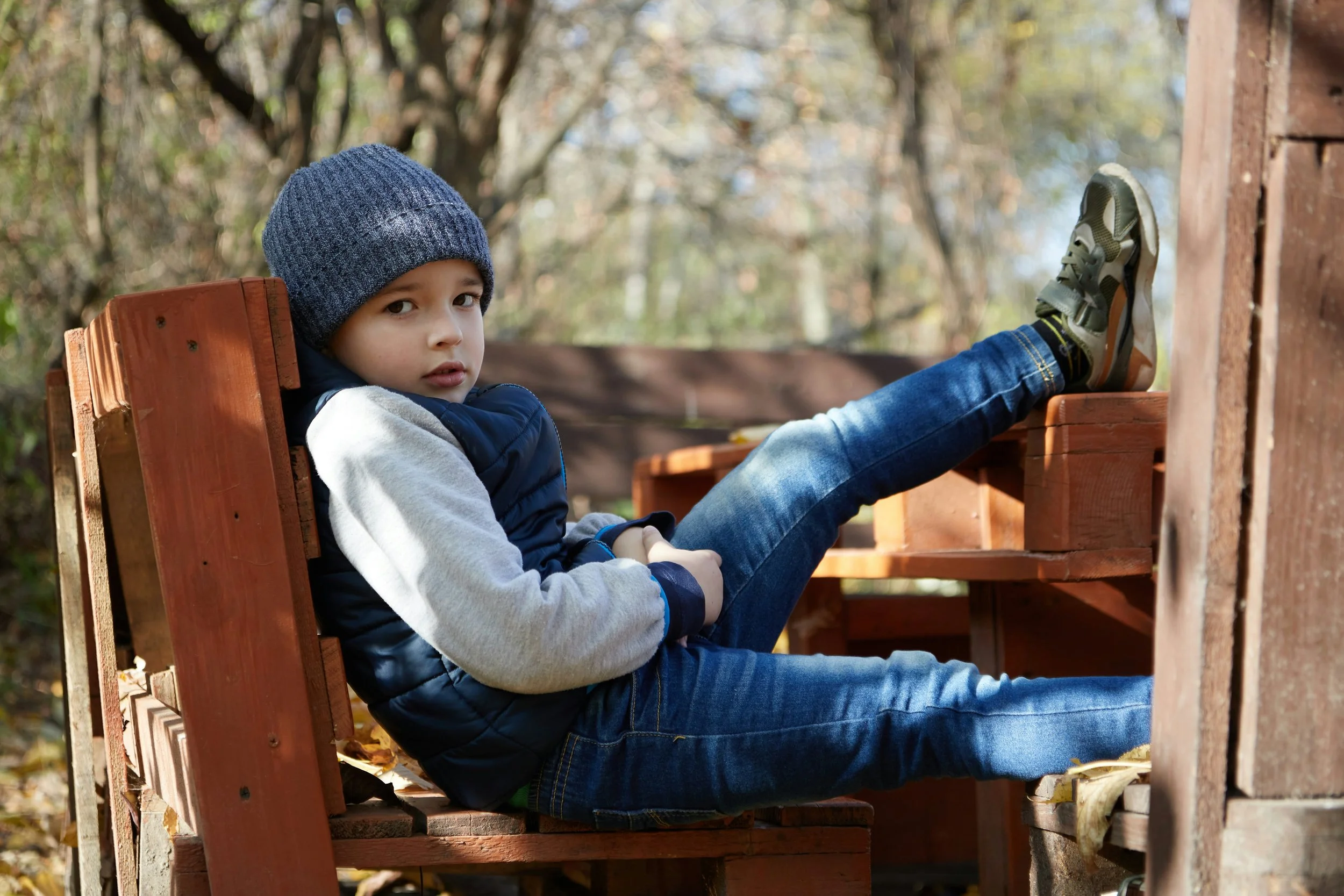
If your FREE 2-Minute Sensory Patterns Quiz suggested your child tends to avoid sensory experiences, there's a good chance they've spent much of their school day managing the constant sensory input happening all around them. They're tuning out classroom noise, navigating a busy cafeteria, tolerating clothes that may not feel comfortable, trying to ignore visual distractions, or simply working hard to keep themselves regulated in an environment that asks a lot of their nervous system. That's exhausting. By the time they get home, they're often not choosing to be irritable, emotional, or withdrawn. Their nervous system has simply been working overtime all day.
Creating a Calm Start to the Day (5–10 minutes): Knowing how much sensory input my child may have to navigate once they walk into school, I try to make home a predictable place to start. I'm not adding a complicated sensory routine to our morning. I'm simply looking for small ways to lower the sensory load and help their nervous system start the day feeling safe and settled.
Some of the things we've naturally built into our mornings include:
Listen to soft instrumental music during breakfast. We love putting on nature videos from Tim Janis, Soothing Relaxation, or Beautiful Relaxing Music on YouTube. The calming visuals and music create a peaceful start to the day without adding another thing to your to-do list.
Spend five quiet minutes outside before getting in the car. Swinging, sitting on the porch, or simply watching the birds can be incredibly regulating before stepping into a busy school environment.
Offer one familiar sensory support before leaving, like a back scratch, a favorite cozy blanket while looking at pictures, or a few minutes in a bean bag chair.
Use a simple visual schedule to help your child see what the morning—or their school day—will look like. It doesn't have to be fancy. Even a few pictures or handwritten words can help children know what to expect and reduce anxiety before they leave the house. (Download our free visual schedule template here!)
My Go-To Favorites Around the House: These are the things we find ourselves reaching for most often when someone needs a quieter morning, a chance to decompress after school, or when everyone in our house is feeling a little... spicy. Because if you've survived the first week back to school, you know it's not just the kids adjusting.
Visual schedule
Noise-canceling headphones
Cozy blanket
Back scratcher
Favorite stuffed animal
Soft, comfortable clothing
Water bottle with a straw
Creating a Soft Landing After School (10–15 minutes)
When my child gets into the car or walks through the front door, I try not to immediately ask about their day or jump into homework. After spending all day navigating the sensory, social, and academic demands of school, they just need a minute. We might sit outside with a snack, swing quietly in the backyard, play with the dogs, put on some music, or honestly just lay on the floor together without talking much at all.
Once their nervous system has had a chance to settle, everything else seems to come a little easier. The conversation happens. Homework gets done. We make it to drum lessons. I don't need to rush them from managing the demands of school straight into the next demand of the day.
Sometimes the most regulating thing we can offer our children isn't another activity. It's permission to simply be home.
One Last Thought
One of the hardest parts of parenting is knowing there will always be moments when we're not there. We can't sit beside our children during circle time, remind them to take a movement break, notice when the cafeteria feels too loud, or recognize the moment they're starting to feel overwhelmed.
And while we can't be there for every moment, we can feel confident knowing that what we practice and build at home doesn't stay at home. Every time we help our children understand what helps their body feel calm, every time we build a simple routine before school, and every time we respond with curiosity instead of frustration, we're giving them something they'll carry with them long after they leave the house.
That's really what this guide is about. It's not about creating the perfect sensory routine or buying every product on Amazon. It's about helping your child begin to understand themselves. When children learn to recognize what helps them focus, calm their bodies, or reset after a hard moment, they begin building the confidence to ask for those things on their own. Those are the first steps toward self-advocacy, and that's a skill they'll use long after they've outgrown elementary school.
My hope is that this guide leaves you feeling a little more confident, too. Knowing your child's sensory preferences doesn't just make mornings, homework, or after-school meltdowns feel easier. It gives you the confidence to partner with teachers, explain what helps your child learn best, and know that even when you're not sitting beside them in the classroom, you're still supporting them in meaningful ways.
One day, we won't be packing the lunch boxes, tying the shoes, or walking them into school. But hopefully, they'll walk through those doors knowing themselves a little better than they did the year before. They'll know what helps them focus, what helps them feel calm, and how to ask for what they need.
🌿 OutGrow Therapeutics: helping kids (and their parents) OutGrow What They Know.